Welcome to the World of Tea

1.
Tea is the most popular drink in the world after water.

2.
Tea plant was discovered in the Chinese province of Yunnan in 2737 BC. It reached Europe only in the 17th century.
3.
Tea comes from the Camellia sinensis plant, using only its upper leaves, buds, and stems. Flavoured teas are made by blending it with herbs, flowers, or spices.
Other variations such as rooibos or hibiscus are classified as herbal infusions or tisanes.
4.
All teas made from Camellia sinensis contain powerful antioxidants like catechins, theaflavins, and polyphenols — known to support the immune system, reduce inflammation, and slow down cell aging. Tea also contains L-theanine, a natural amino acid that promotes calm focus without drowsiness.
The best quality teas come from single tea estates

Our single estate teas are sourced from a specific tea garden. We know exactly when, how and by whom they were produced.
These teas offer a unique flavour that is characteristic of the particular garden and the secrets of the professional tea specialist.
This allows us to confidently share the story behind each tea and establish a deeper connection for our customers with its authenticity.
All our tea gardens are cultivated organically, which means the producers abstain from applying synthetic pesticides, herbicides, or other chemical fertilisers. The primary focus lies in employing natural and sustainable cultivation methods to maintain the health of the soil, preserve biodiversity and protect the environment.


Green Tea
Green tea is the oldest and most esteemed of all the tea categories. It has been used for centuries as a medicine and appreciated for its invigorating qualities.
Once picked, the most delicate shoots are withered. These tender leaves do not undergo oxidation and preserve beautiful shades of a natural green colour.
In China and many other countries, the traditional method to stop oxidation is to apply dry heat in a hot wok or a panning machine, which gives the tea a delightful hint of nuttiness.
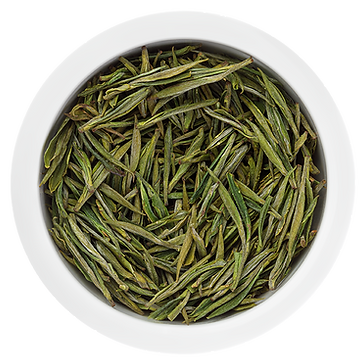
In Japan, green teas are primarily steamed, creating a distinct vegetal, grassy and umami flavour. Amazing in their appearance, green tea leaves are exquisitely shaped in needles, spirals, curls, or snails. They offer a variety of flavours: fresh, sweet, floral, vegetal, and fruity.

Find your favourite




White Tea
White tea is unique in its kind due to the processing methods with the least human interference.
The shoots are carefully plucked and undergo several stages of withering.
It is mainly dried naturally in the sun. The gentle manufacturing process is quite slow, and slight spontaneous oxidation may occur.
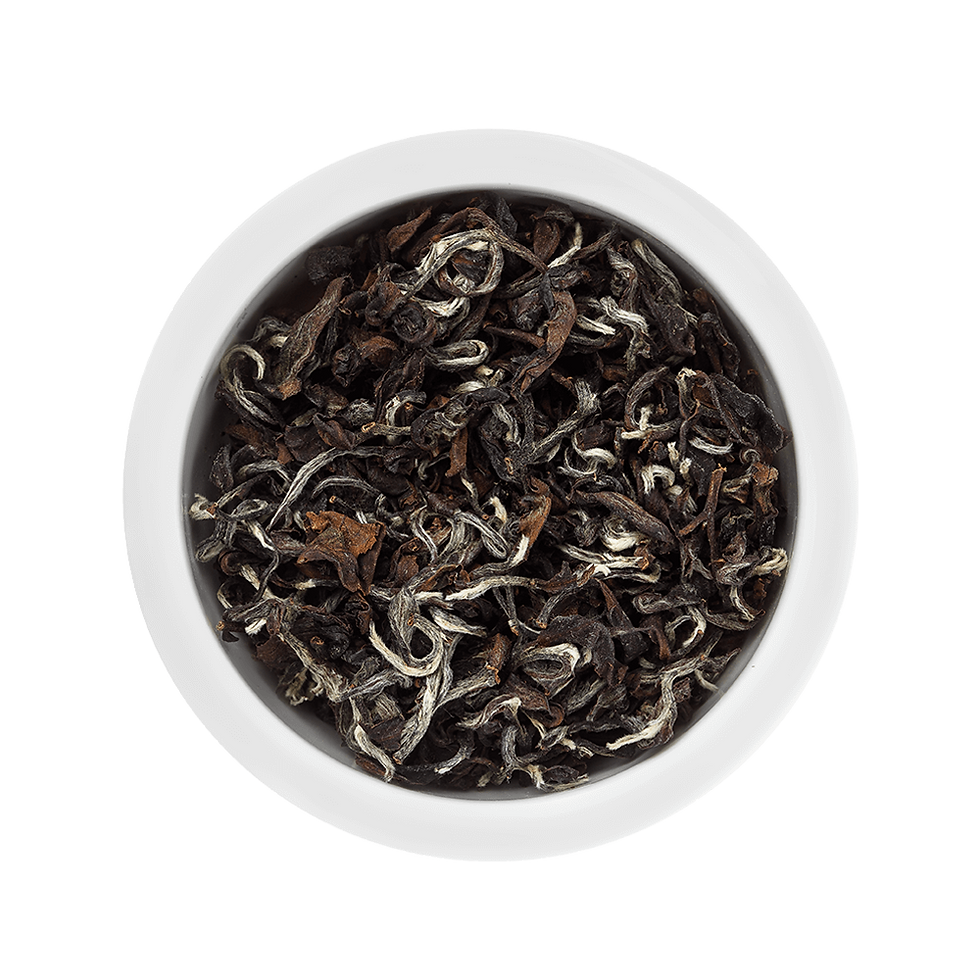
White tiny hairs cover the tea bud at the tip of the tea shoot, giving them a silvery appearance. White tea is known for its delicate, mild and floral flavour.
Not so long ago, it was discovered that white tea increases its benefits with long-term storage. In China, there is a saying that refers to white tea: ”First year — tea, third year — medicine, seventh year — treasure.”
Find your favourite


Yellow Tea
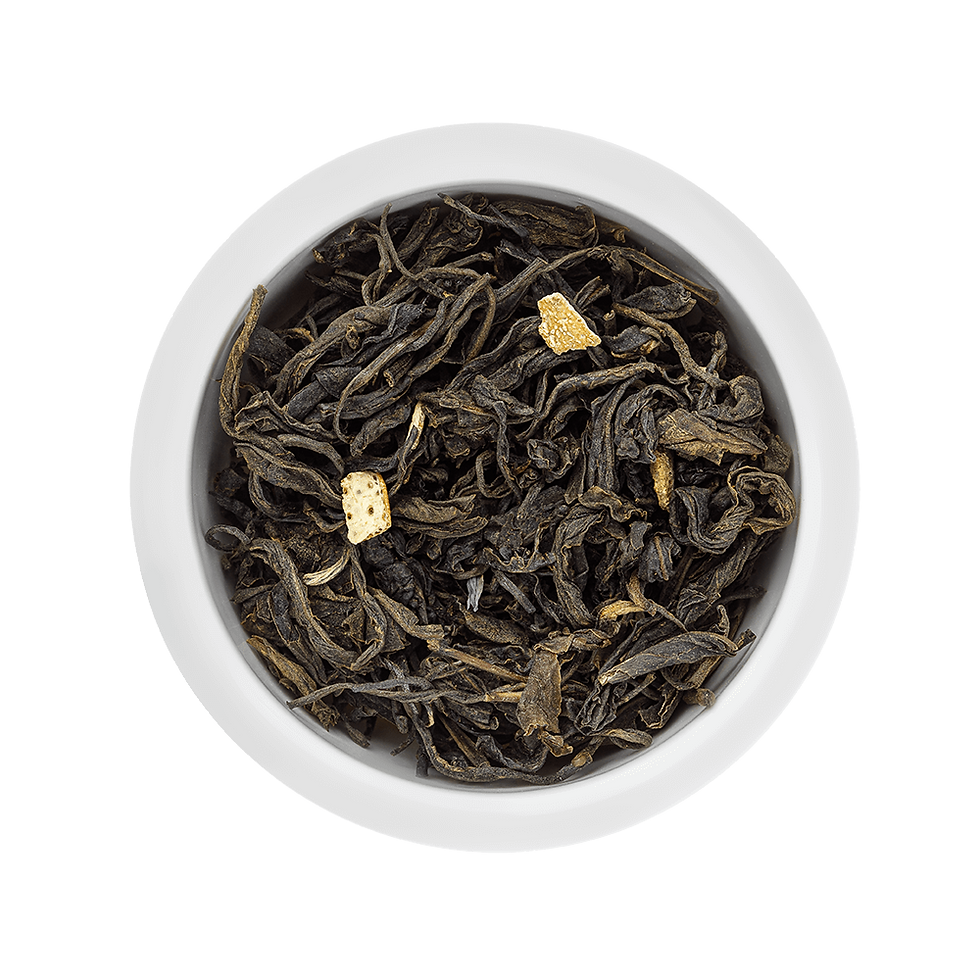
Yellow tea is the rarest of the Chinese six categories. The processing is quite similar to that of green tea, but the leaves undergo an extra stage called “men huang” meaning “sealing yellow”.
After the leaves are picked, they are briefly withered and pan-fried to stop the oxidation process. Then hot and damp tea leaves are wrapped in a special cloth or paper.
Low heat and humidity inside the wrapping allow the leaves to reduce their grassy character. The process of pan-frying and wrapping is repeated several times.
As a result, the leaves have a yellow-green colour and yield a mellow, sweet and nutty taste.
Yellow tea is less widely known and consumed, but it has its own loyal following among tea enthusiasts for its unique characteristics.


Oolong Tea
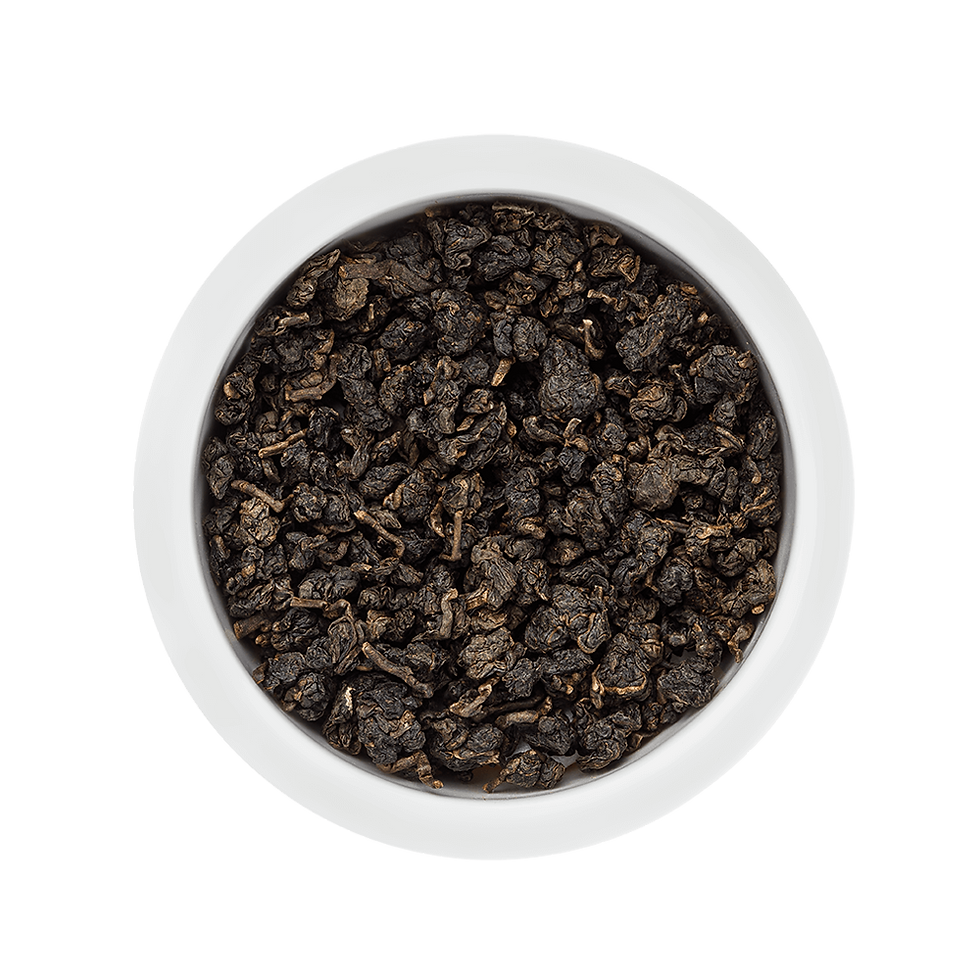
Oolong (Wulong) tea is the most complex and diverse tea among the six categories. “Oolong” means “black dragon”, named after the dark brown, almost charcoal-coloured, twisted leaves of the dark oolong, which resemble the appearance of a dragon.
This category of tea is made from larger, more mature leaves, resulting in a richer, deeper flavour. As it is a semi-oxidised tea, its level of oxidation is between 10% and 80%, resulting in a wide spectrum of significantly different aromas and tastes.
Dark oolongs are 40% to 80% oxidised teas with elongated, twisted leaves of a deep brown colour, which have a rich fruity, nutty, smoky and caramel-sweet aroma and taste. Dark oolongs undergo a final roasting process that enhances their complex flavours
Balled (jade) oolongs are 20% to 40% oxidised and remain green. They are twisted and rolled into tightly curled nuggets that produce a beautiful, bright green-golden drink with distinct floral and sweet tones. In China and Taiwan, balled oolongs can also be baked, which results in a roasted and nutty character.
The less oxidised oolong is called Bao Zhong (Pouchong). Slightly twisted, very fragile leaves give an extraordinary flavour of sweet peas and a hint of fruity notes.
Find your favourite





Black Tea
Black tea, known in China as red tea, is fully oxidised.
During the manufacturing, the leaves undergo a long withering process when they lose moisture and become pliable for rolling. Then the stage of full oxidation occurs.
The production of black tea is essentially about setting chemical changes in motion and then trying to control them. It is the high skill of the tea maker to understand and stop the oxidation process at the right time for drying.
At the final stage, the leaves are sorted into different grades. Broken leaves are often found in delicious blends and flavoured teas.
Not all black teas are the same, depending on the cultivar, the region where it grows, and the processing method. Their flavour can be rich and strong, mellow and delicate, sweet and floral, nutty and fruity.

Find your favourite




Dark Tea
Dark tea, also known as black tea or Pu’er (Puerh) in China, has a long history dating back more than 1,000 years.
It was originally made for transportation to Tibet and other remote regions of China. These teas were produced in the Chinese province of Yunnan and then sold in the town of Pu’er, which gave the tea its name.
Nowadays, dark tea is produced in many other countries and is becoming increasingly popular due to its many health benefits. This type of tea stands out from all the six categories and is the only one that undergoes a process of fermentation.
The combination of wild tea bush varietal, terroir, nuanced production, storage and ageing results in a rich, earthy, woody, fruity and complex flavour.
There are two types of Pu’er teas: sheng (raw) Pu’er and shou (cooked, ripened, ripe) Pu’er.
Sheng Pu’er is a naturally fermented tea and can be aged for up to 100 years. A young Sheng Pu’er can have more astringency and fresh notes in the taste, but the longer it matures, the sweeter notes it reveals, becoming softer and smoother in texture.
Shou Pu’er manufacturing technique was invented in China in 1972. It replicates the ageing of raw Pu’er by a faster method, which artificially accelerates the fermentation process. In about 50 days, the fermentation is complete and the tea can be consumed almost immediately.
Both types of Pu’er tea are available pressed in different sized cakes and other shapes as well as loose. A common myth says that only aged Pu’er is valuable and delicious, which is not true. If your Pu’er tea is produced from a high-quality tea leaf and by a skilled master, it will be tasty from day one of production. You have to choose and trust the supplier who will provide you with really good tea.


Discover Our Tea Estates


Curious to learn more about tea?


